
Brand Guidelines
1. Download Assets
- Media Education Lab and sub-brands Logo System
- Figtree Font Files
- Phosphor Icons Set
Please make sure you respect the usage licenses of all assets. If you have any questions, please email us at info@mediaeducationlab.com.
2. Market Research
2.1. Organization Analysis
The Media Education Lab is an online community that advances the field of digital and media literacy education through leadership development, scholarship, and community engagement.
Unlike other Media Literacy Organizations (NAMLE, ProjectLookSharp, Center for Media Literacy, Media Savvy Citizens, Media&Learning, MediaSmart, BFI, IREX, MIL Alliance at UNESCO, MediaLiteracyNow) we provide leadership building and a sense of community.
In a simple statement, we want to become the the go-to resource for leadership and pedagogy in media education and media literacy.
2.1.1. Assumption
Issue: There are significant personal and societal consequences to uniformed and irresponsible media participation that is increasingly ubiquitous.
Needs: Solutions like regulation or automation are not able to keep up and support emotional and social intelligence, critical thinking, and technical skills needed to navigate and participate in today’s media ecosystem.
2.1.2. Problem Statement
Media educators do not have enough/accommodating support that:
- Focuses on equatable and inclusive practices for a diverse range of learners;
- Considers contexts important to analyzing and producing media;
- Keeps them abreast of constant changes in the media ecosystem.
2.1.3. Statement of Organization Purpose and Identity
We are a community of media educators (community-based and K-16) who focus on supporting and learning from each other, currently led by Renee Hobbs.
2.1.4. Goals for Impact
Provide highly used resources (training, teaching materials, media production, research/reports/white papers) to support DEI and best practices of media literacy education (MEL is the go-to resource for teaching material in media education).
2.1.5. Secondary Goals
- Maintain and grow as a community (as we ourselves become a DEI organization) - Grow and maintain a diverse (in many senses of the word) community of educators who contribute to the media education practice by co-learning from their unique areas of expertise, identity, and lived experiences.
- Advocate for PD in media education
Just to clarify: The MEL main goal is to advance the practice of media education by training and creating educational materials. As secondary to support that that goal, producing professional videos/podcasts, advocate for ME and conducting research to inform our practices.
2.2. Competition Analysis
Membership organizations:
- NAMLE (Twitter, Facebook, TredMicro, TikTok)
- UNESCO MIL
- IREX (USAID)
- ACME (Project Censored)
- Chicago Learning Exchanged (MCArthur Foundation + McCormick + Chicago Trust fundings)
- Connected Learning (MCArthur Foundation fundings)
- International Media Education Association
- EAVI (European Association for Viewers Interests - Media literacy for citizenship
- Media Smart
- (AML) Association for Media Literacy of Canada
- Australian Media Literacy Alliance
- The Media Education Association (UK)
- Media Education Foundation
Media Literacy Services:
- Center for Media Literacy (grants and personal donations)
- Convergence Design Lab (grants(
- Bournemouth University's Centre for Excellence in Media Practice (CEMP)
- News Literacy Project (Google, Apple,
- The Center for News Literacy (previously, MCArthur Foundation and private fundings)
- Center for Information and Media Literacy (Temple
- I am not the media
- American university’s Center for Media & Social Impact
- USC Civic Media Imagination Project (MCArthur Foundation fundings)
- MediaLiteracyNow
PD Organizations:
- KQED Education
- PBS TX
- PBS WHYY (Philly)
- PBS WGBH (Boston)
- I Speak Media
Curriculum Organization:
- Common Sense media
- ProjectLookSharp
- Participate
Media Production Ed Organizations:
- YR Media
- Educational Video Center NYC
- Education Development Center
- PBS Student Reporting Lab
- Women’s Audio Movement (WAM)
- The Salzburg Academy on Media & Global Change
2.3. Target Analysis
Media Educators as a whole.
More specifically it is divided into:
- Teacher (Elementary & Secondary)
- Librarians
- University/College Professor
- Graduate Students
- Researches
- Policy Makers/Administrators
3. Brand Strategy
3.1. Voice
Website: The website centralizes all the content generation belonging to the parent brand and all sub-brands.
Social Media: New content should be promoted with social media posts directing users to the Website.
Email Marketing: Email is the most direct form of communication with our base. We can use email to promote new content directing users to the Website as well as sharing curated content from partners and others in Newsletter form.
3.2. Tone
Academic: As an educational organization we have a responsibility to communicate with an objective, unbiased, fact-based tone.
Accessible: Whenever possible we should avoid technical jargon in favor of layman's terms that everybody can understand.
Consistent: We should maintain a common tone in all brand and sub-brand communications for a cohesive storytelling.
3.3. Keywords
In no particular order:
- Diversity
- Leadership
- Connection
- Learning
3.4. Creative Concept
"Elevating People"
Similar to the Keywords, but more expressive and distinctive, the Creative Concept is a word or phrase that represents the desired emotional response from the target public when interacting with the Brand.
Unlike a Slogan, a Creative Concept is not necessarily developed for public use, although it can be used publicly. Its primary purpose is to be used internally as a mantra to guide the creative process when sketching a Logo, copywriting a slogan, designing an ad, or when developing any other type of Brand Communication. This ensures that all elements of the Brand will convey a consistent message.
3.5 Brand Architecture
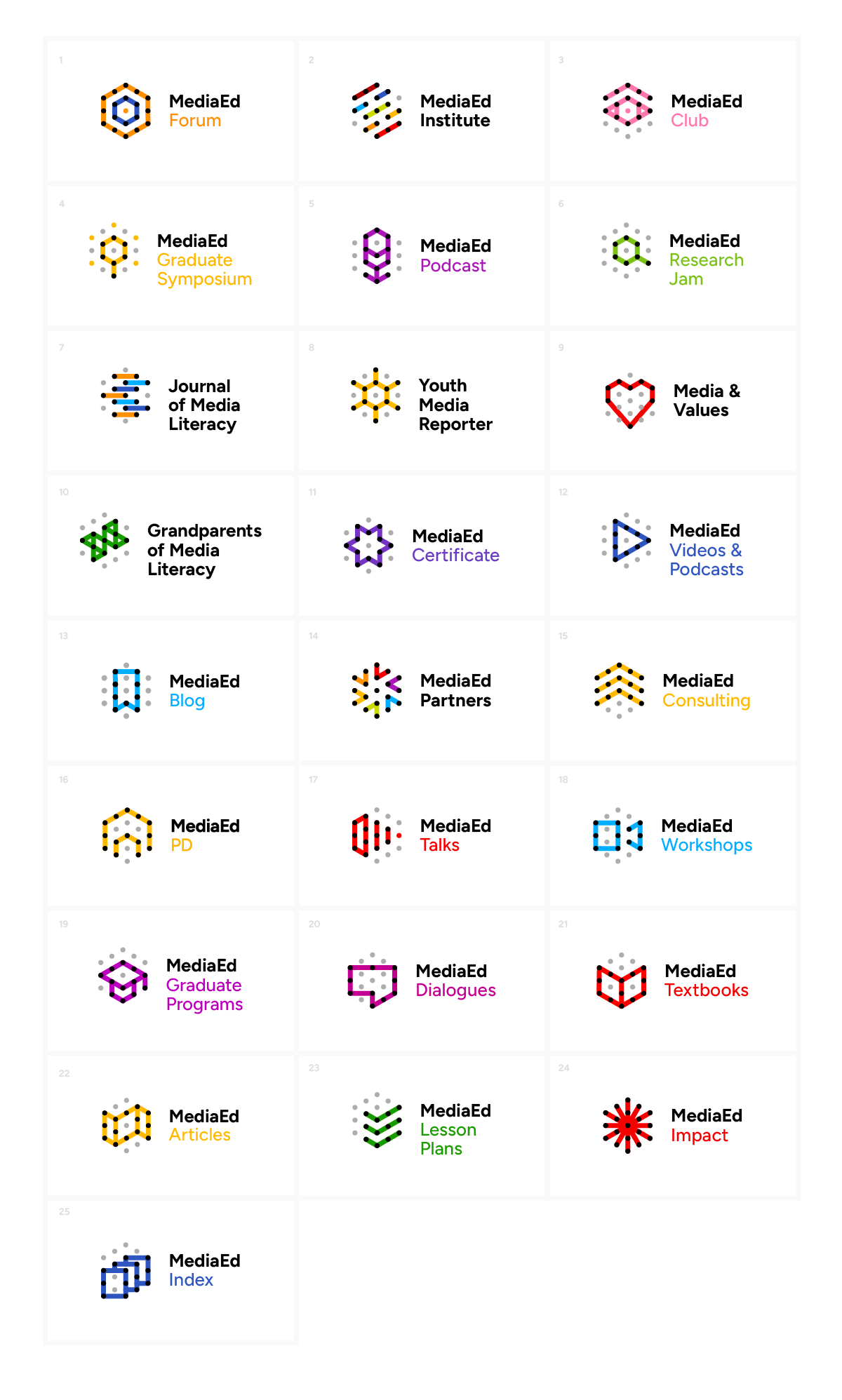
The Media Education Lab is parent to a diverse family of sub-brands.
- MeadiaEd Forum
- MediaEd Institute
- MediaEd Club
- MediaEd Graduate Symposyum
- MediaEd Podcast
- MediaEd Research Jam
- Journal of Media Literacy Education
- Youth Media Reporter
- Media & Value
- Grandparents of Media Literacy
- MediaEd Certificate
- MediaEd Videos & Podcasts
- MediaEd Blog
- MediaEd Partners
- MediaEd Consulting
- MediaEd PD
- MediaEd Talks
- MediaEd Workshops
- MediaEd Graduate Programs
- MediaEd Dialogues
- MediaEd Textbooks
- MediaEd Articles
- MediaEd Leson Plans
- MediaEd Impact
- MediaEd Index
4. Visual identity
4.1. Typography Selection
4.1.1. Primary Family
Figtree
—The Quick Brown Fox Jumps Over the Lazy Dog
Figtree is the preferred typographic family for all text corresponding to the Media Education Lab brand and sub-brands.
Figtree is a clean yet friendly geometric sans serif font for usage in web and mobile apps. It's light-hearted and crisp when used for text, yet still retains some punch when used in uppercase – perfect for buttons and short labels. The thicker weights have a distinctly friendlier character, great for headlines of more personable brands.
All font files are available to download for free in Google Fonts.
4.1.2. Fallback Family
Verdana
—The Quick Brown Fox Jumps Over the Lazy Dog
Unfortunately, email clients can't display custom typographic families which are not included in the base font files from the computer or mobile device operative system. Hence, all email newsletters should be formated with the text set in Verdana.
4.2. Color Scheme
4.2.1. Accent Color
Purple
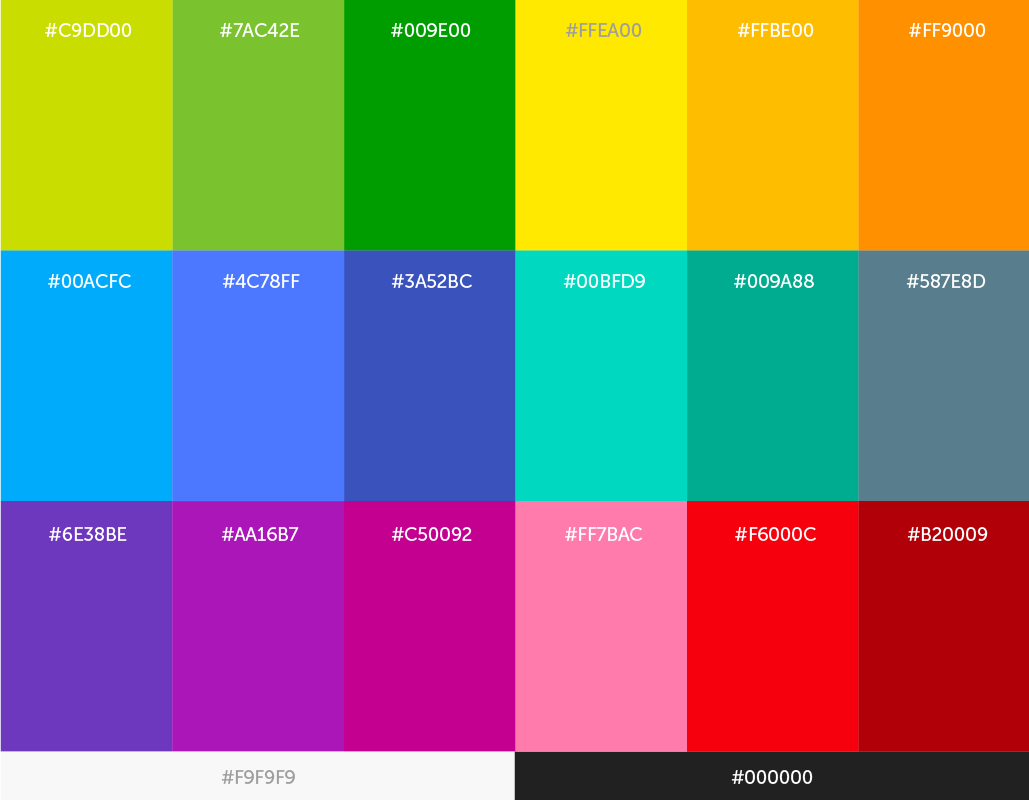
#AA16B7
4.2.2. Support Colors
4.3. Logo System
4.3.1. Ideogram
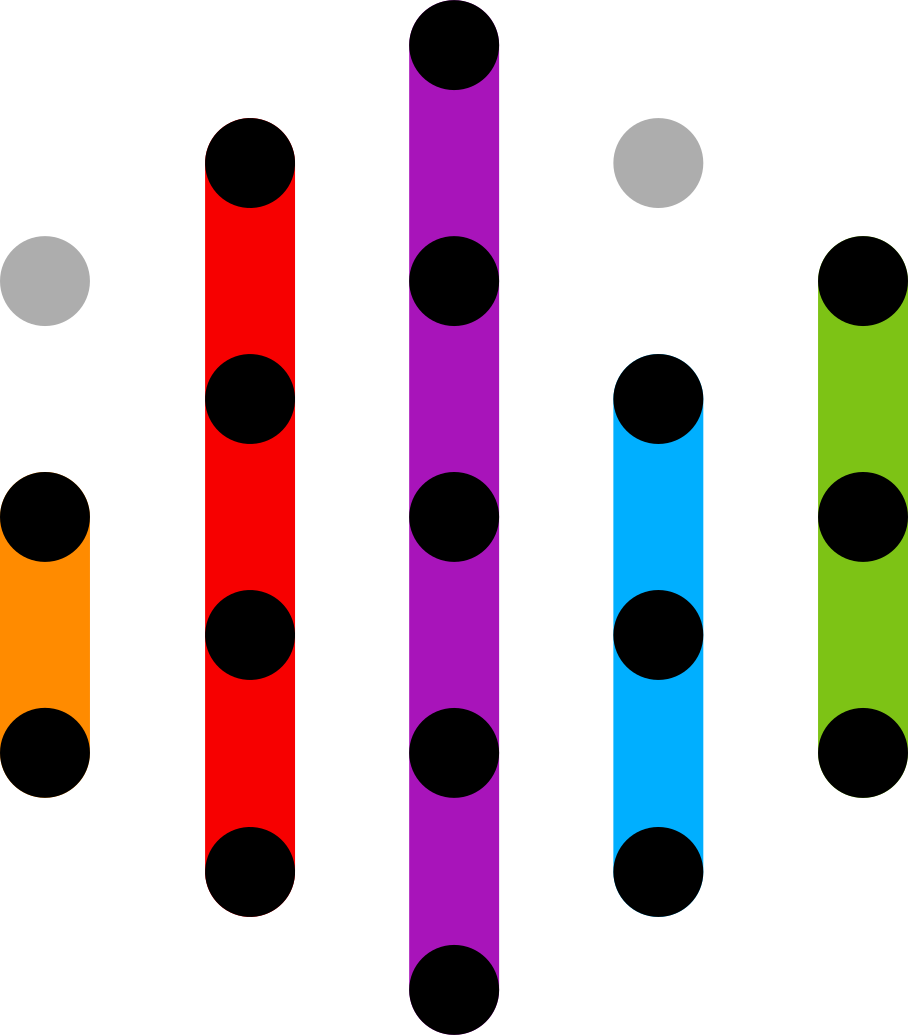
The Ideogram logo represents the Media Education Lab in its most essential visual form.
4.3.2. Emblem
The Emblem variation of the logo displays the brand's Ideogram along with the brand name in text set in the Figtree font.
4.4. Sub-Brands
4.4.1. MediaEd Forum
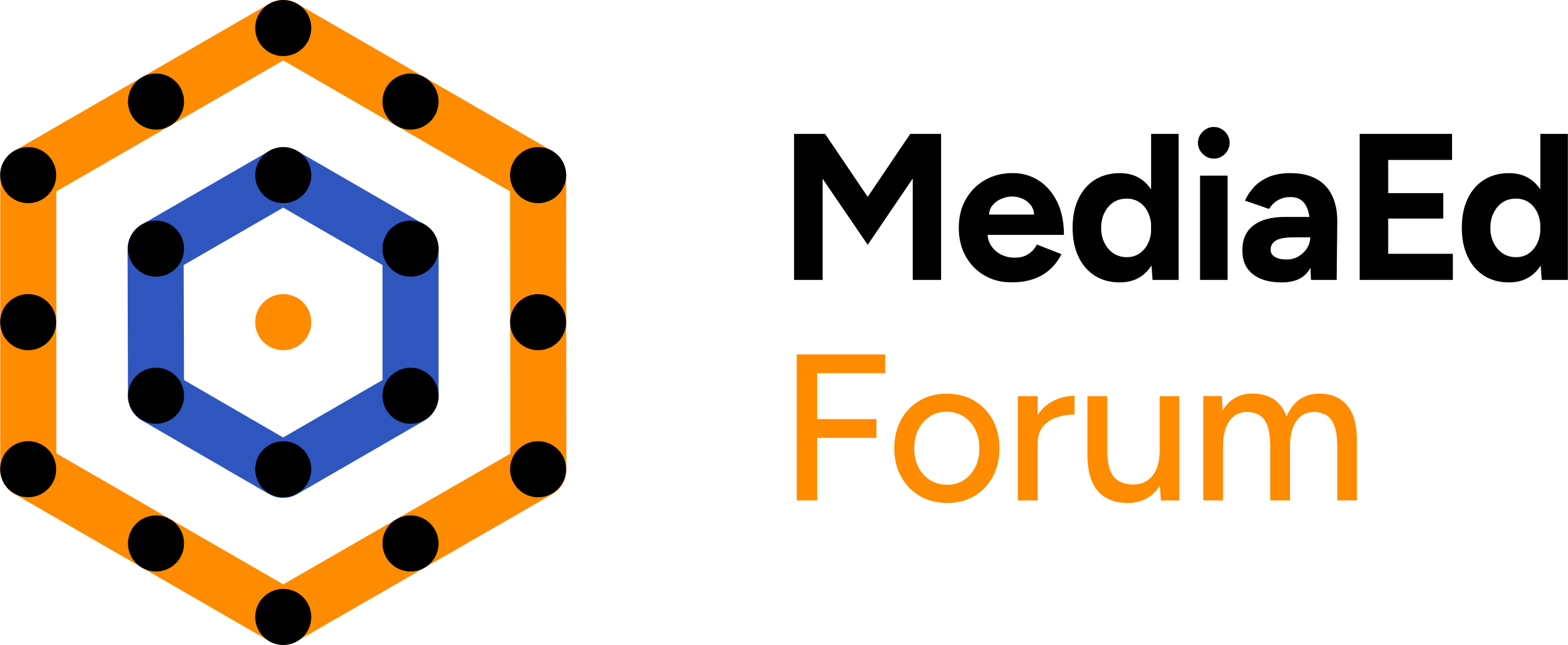
Symbol: Concentric hexagons.
Accent color: Orange #F09636
4.4.2. MediaEd Institute
Symbol: Diagonal series of lines representing of maze.
Accent color: []
4.4.3. MediaEd Club
Symbol: Eye.
Accent color: Pink #EE7FAB
4.4.4. MediaEd Graduate Symposium
Symbol: Lightbulb.
Accent color: Yellow #F6BD2C
4.4.5. MediaEd Podcast
Symbol: Microphone.
Accent color: Purple #9C28B1
4.4.6. MediaEd Research Jam
Symbol: Magnifying glass.
Accent color: Light green #8CC13F
4.4.7. Journal of Media Literacy Education
Symbol: Lines of text.
Accent color: []
4.4.8. Youth Media Reporter

Symbol: Sun.
Accent color: Yellow #F6BD2C
4.4.9. Media & Values
Symbol: Heart.
Accent color: Red #F6000C
4.4.10. Grandparents of Media Literacy
Symbol: DNA.
Accent color: Green #009E00
4.4.11. MediaEd Certificate

Symbol: Stamp.
Accent color: Purple #6E38BC
4.4.12. MediaEd Videos & Podcasts
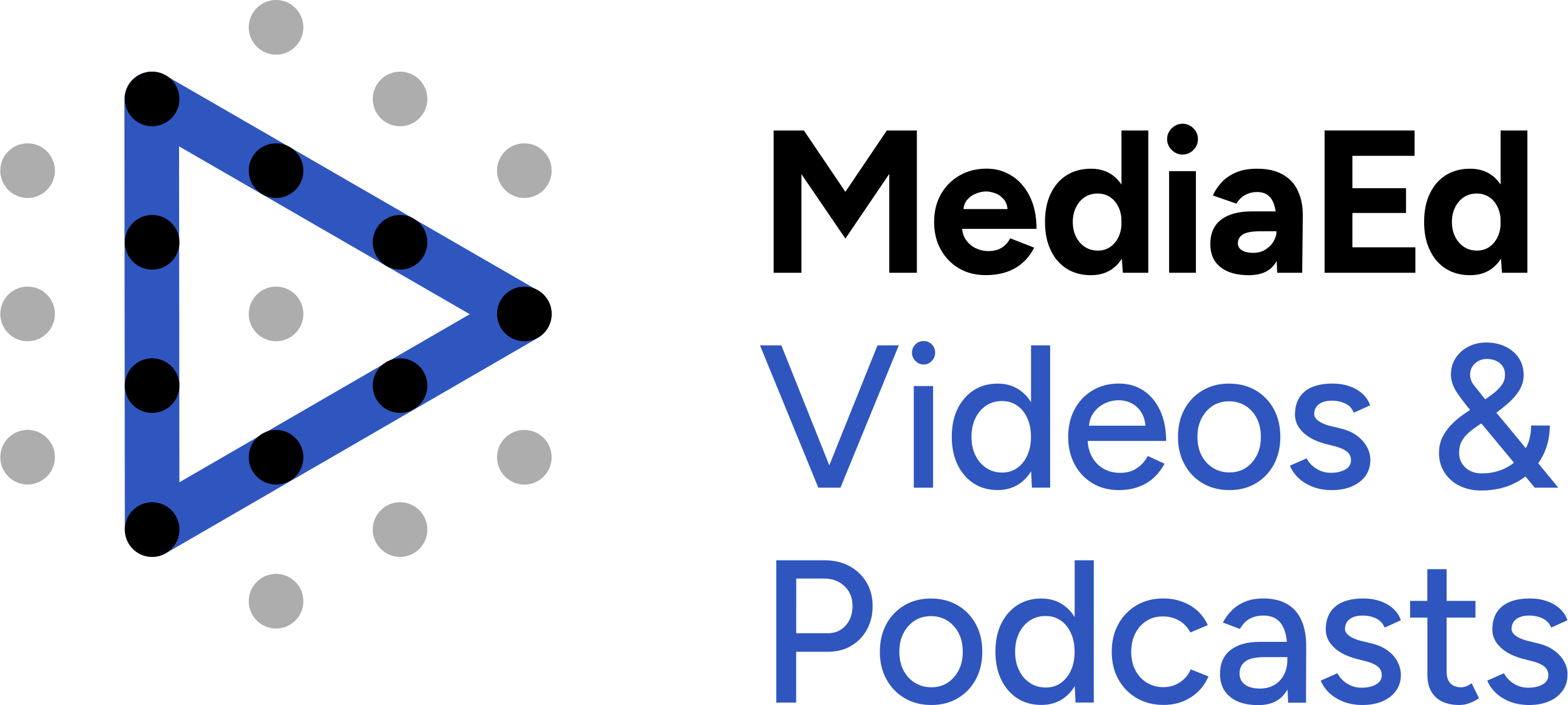
Symbol: Play icon.
Accent color: Dark blue #3A52BC
4.4.13. MediaEd Blog
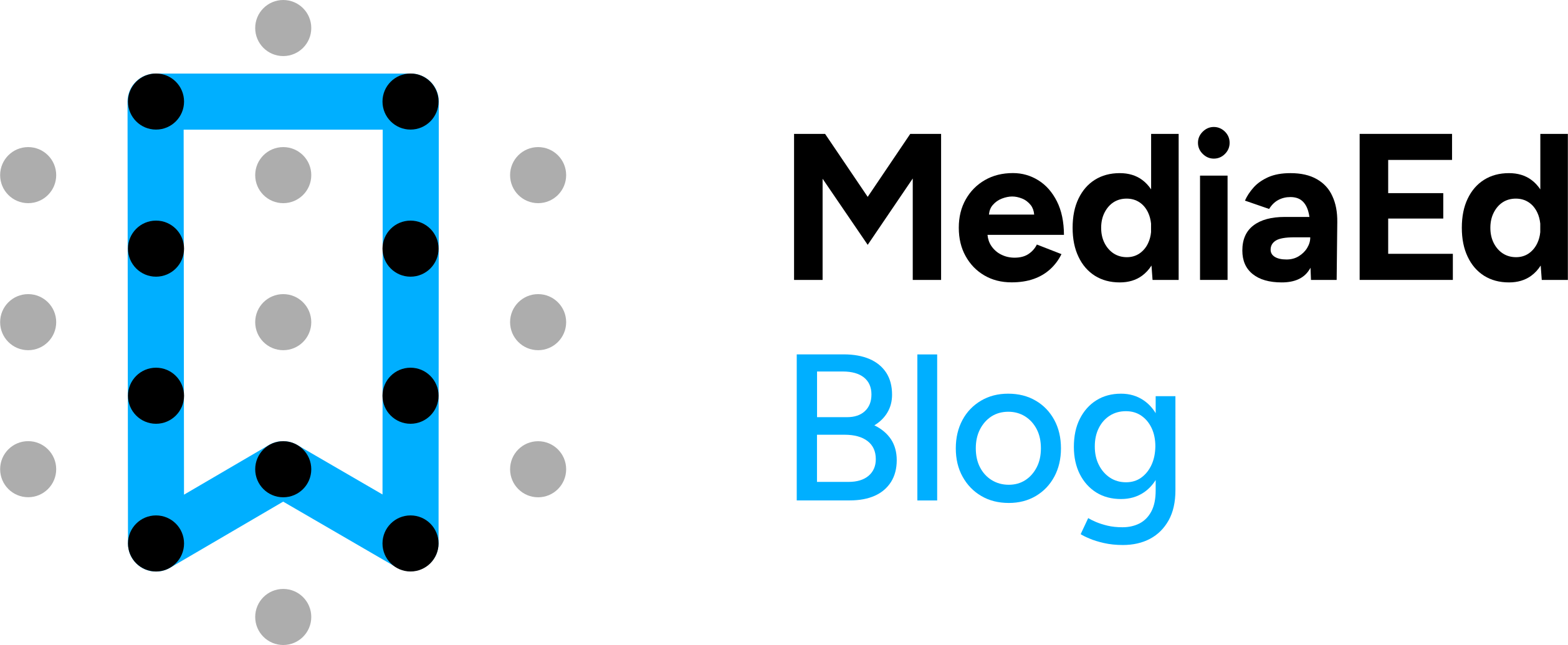
Symbol: Bookmark icon.
Accent color: Light blue #00BFD9
4.4.14. MediaEd Partners
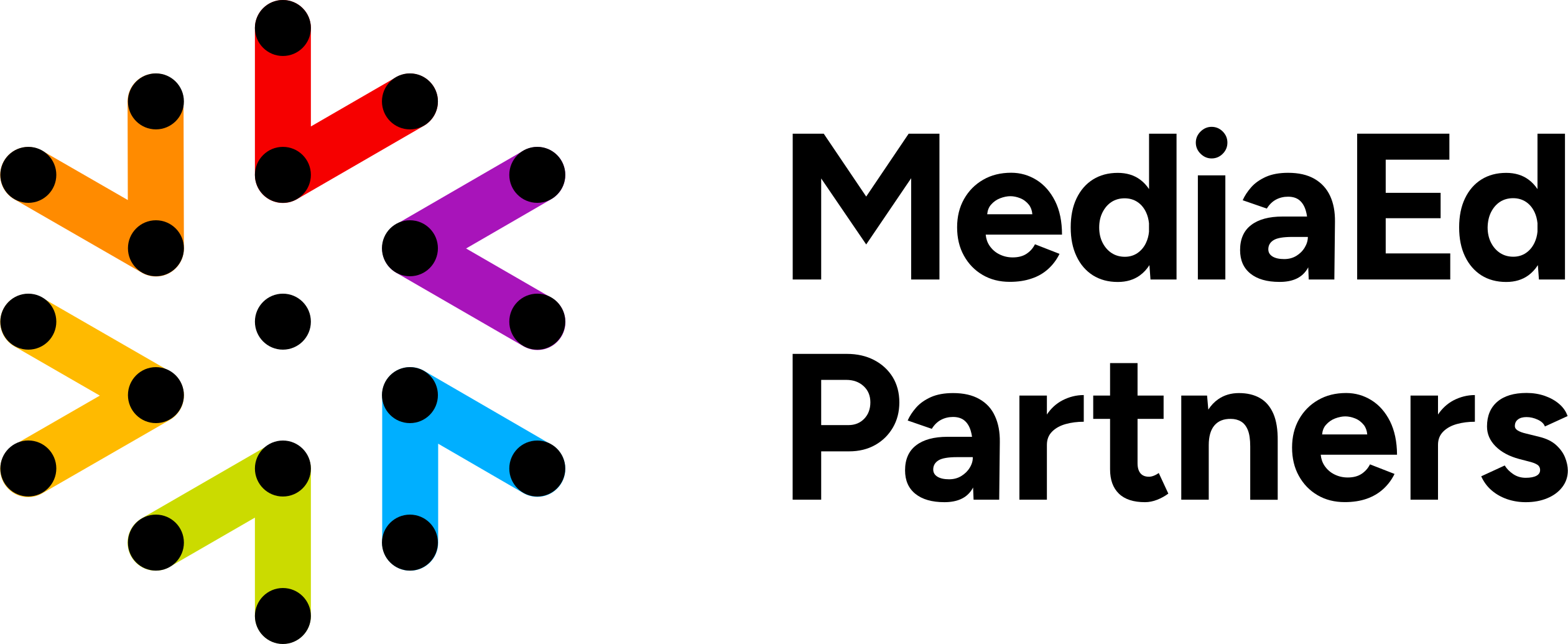
Symbol: Concentric arrows.
Accent color: []
4.4.15. MediaEd Consulting

Symbol: Elite rank.
Accent color: Yellow #F6BD2C
4.4.16. MediaEd PD

Symbol: Small school building withing a larger school building.
Accent color: Yellow #FFBE00
4.4.17. MediaEd Talks
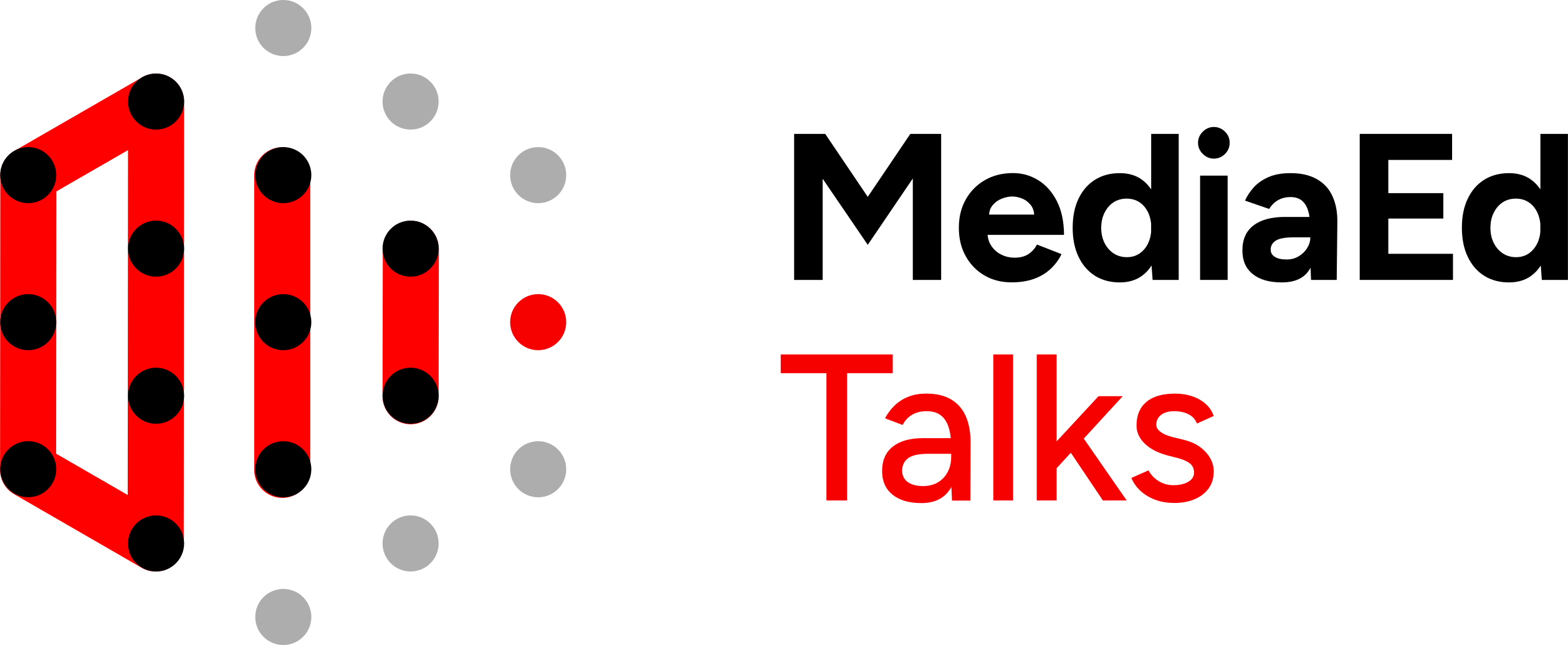
Symbol: Speaker volume.
Accent color: Red #F6000C
4.4.18. MediaEd Workshops
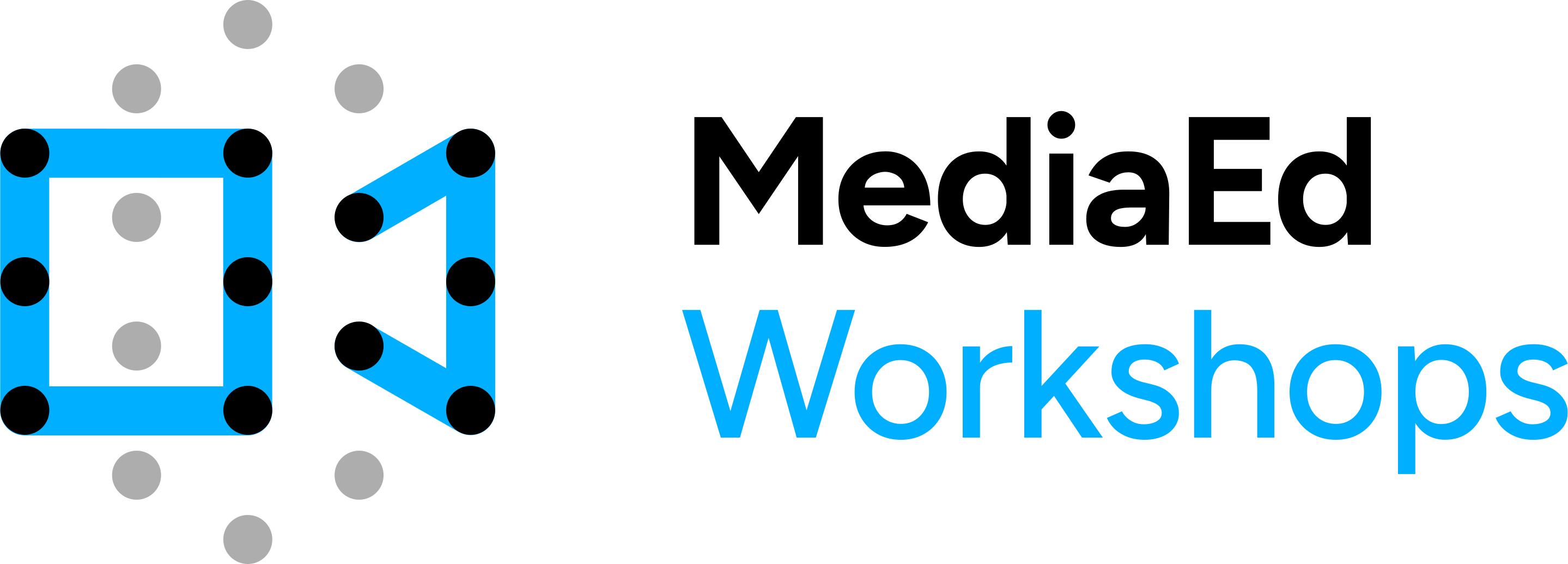
Symbol: Magnifying glass.
Accent color: Light blue #00ACFC
4.4.19. MediaEd Graduate Programs
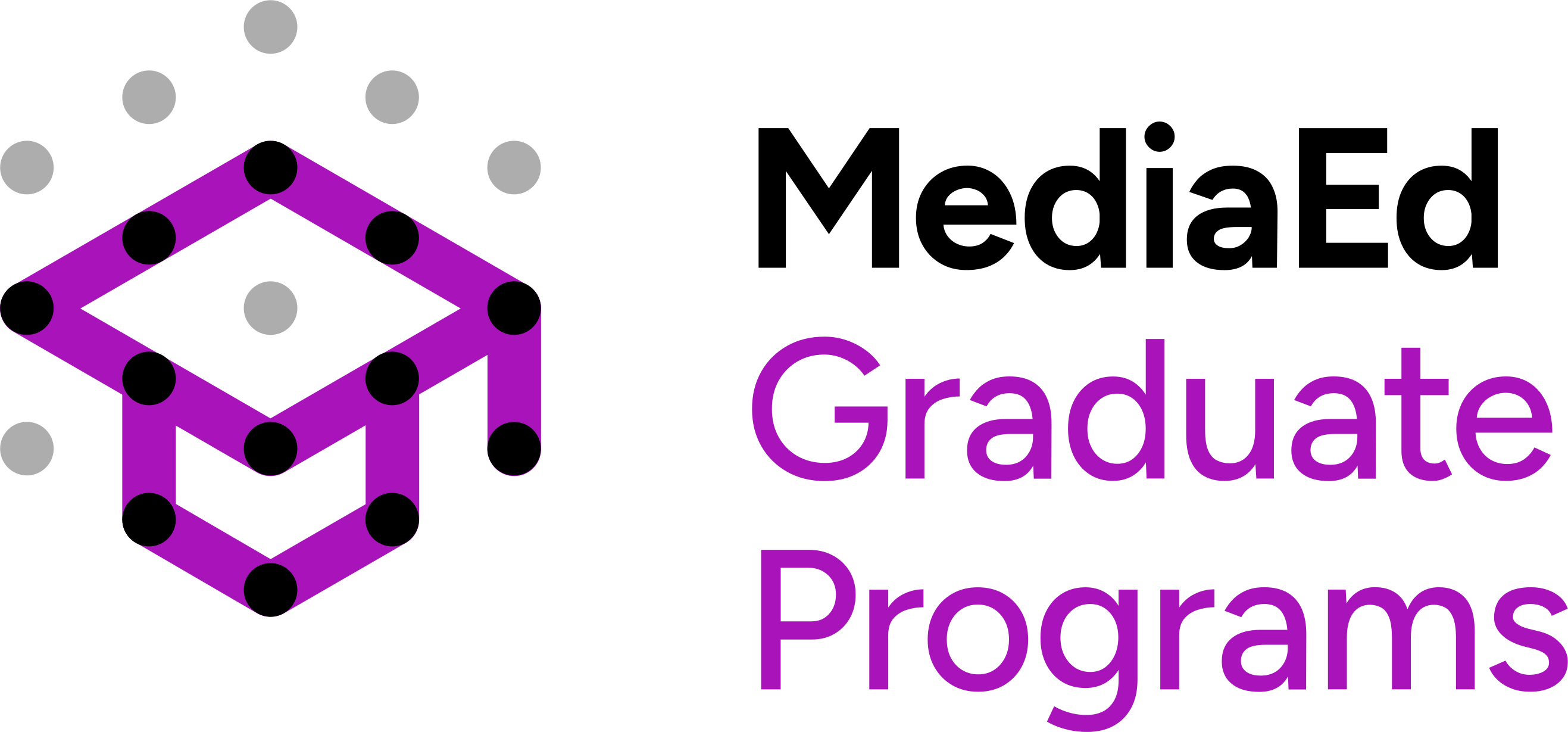
Symbol: Academic hood.
Accent color: Light blue #00ACFC
4.4.20. MediaEd Dialogues
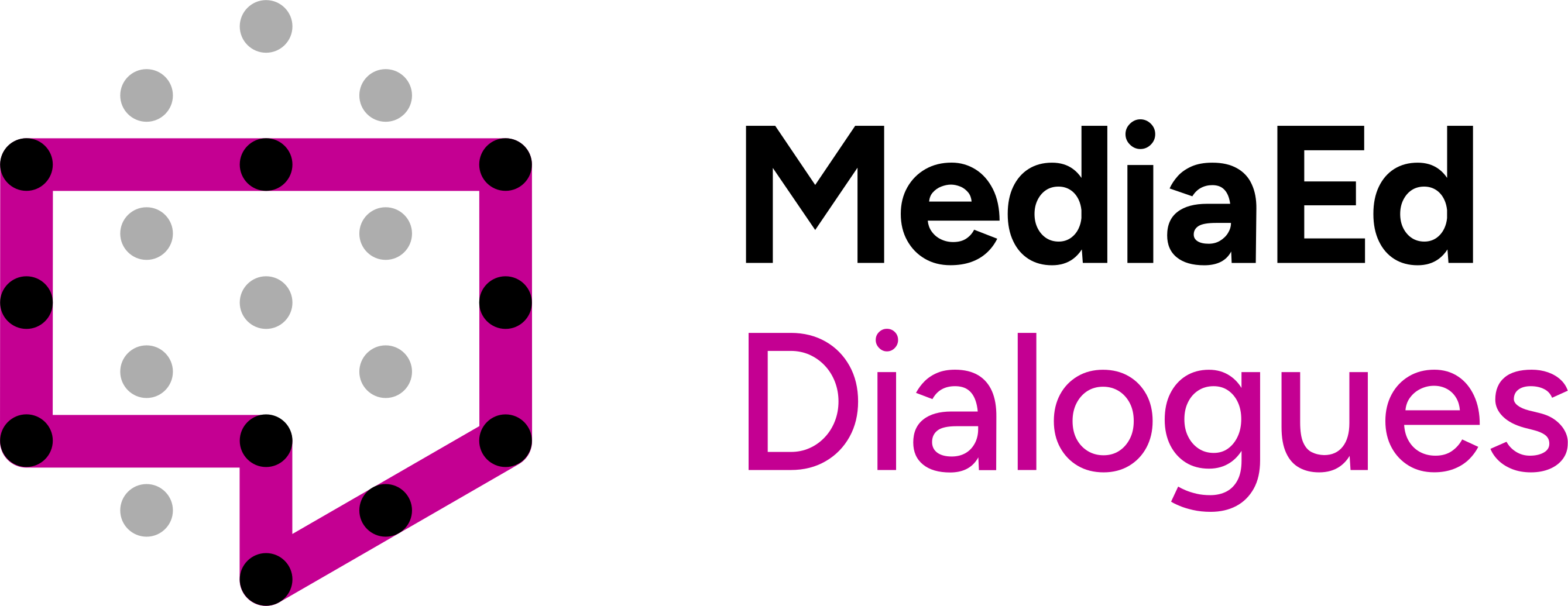
Symbol: Speach bubble.
Accent color: Light purple #C50092
4.4.21. MediaEd Textbooks
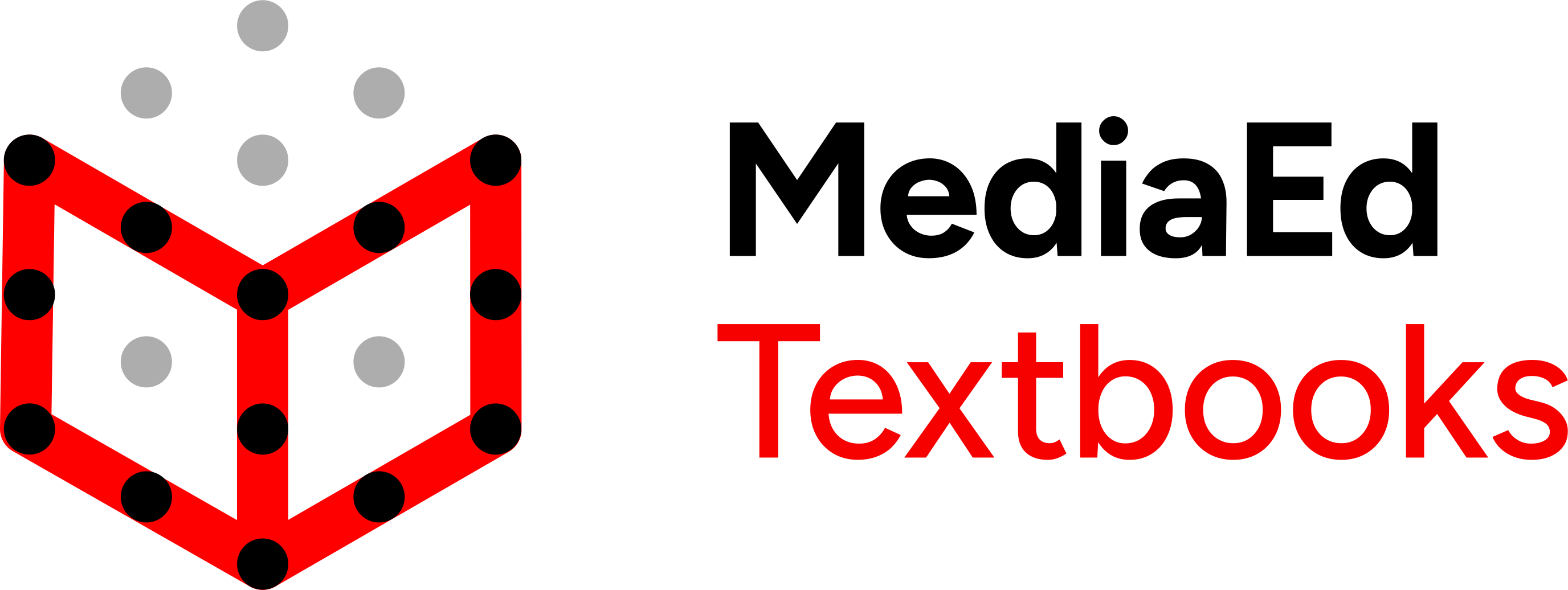
Symbol: Open book.
Accent color: Red #F6000C
4.4.22. MediaEd Articles

Symbol: Folded paper.
Accent color: Orange #FFBE00
4.4.23. MediaEd Lesson Plans
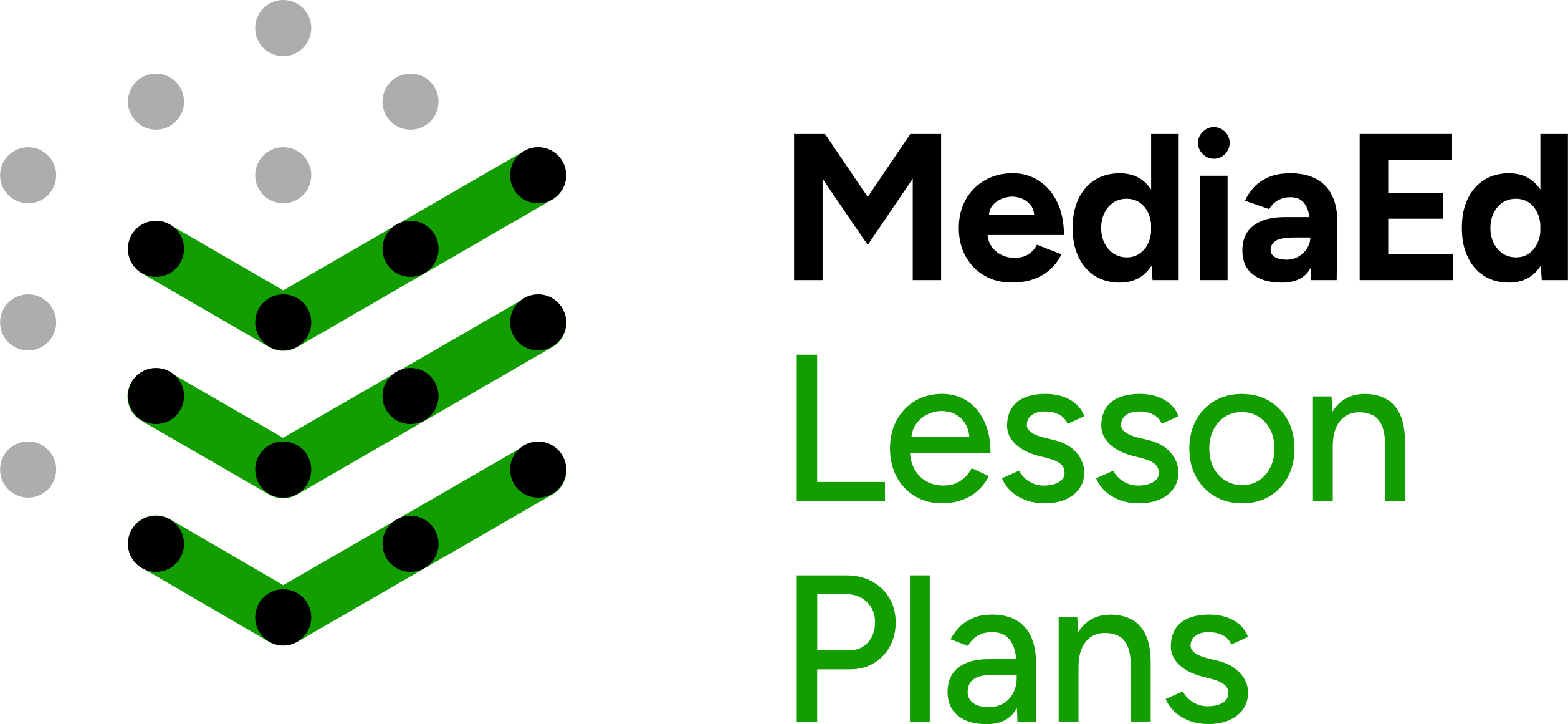
Symbol: Three checkmark.
Accent color: Green #009E00
4.4.24. MediaEd Impact

Symbol: Target.
Accent color: Red #F6000C
4.4.25. MediaEd Index
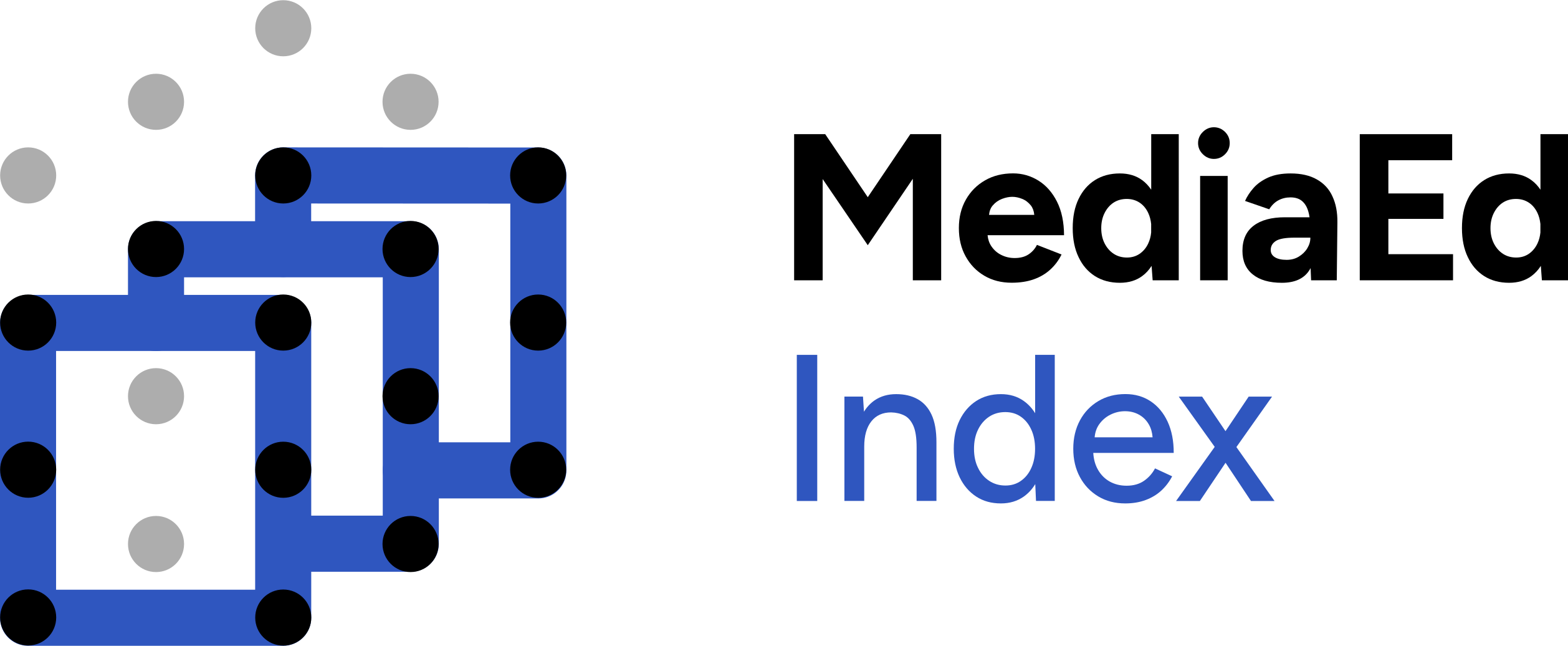
Symbol: Pages.
Accent color: Blue #3A52BC
4.5. Icons Set

Phosphor is a flexible icon family for interfaces, diagrams, presentations — whatever, really.
- 1,248 icons and counting
- 6 weights: Thin, Light, Regular, Bold, Fill, and Duotone
- Designed at 16 x 16px to read well small and scale up big
- Raw stroke information retained to fine-tune the style